Idéias Dart Navigator Pop. Localhistoryroute).otherwise, the rest of this description applies. I know most of you know about the navigator and it's working. Static future push(buildcontext context, route route) { return navigator.of(context).push(route);

Apresentado Flutter Navigator 2 0 For Authentication And Bootstrapping Part 2 User Interaction By Cagatay Ulusoy Level Up Coding
The route is an abstraction for a screen of an app. Since this is a basic. Let's try to understand navigation and route in detail. Die posts enthalten in der regel codebeispiele und wurden vor der veröffentlichung getestet.28.06.2019 · schwerpunkte sind die programmiersprache dart, das framework bootstrap 5 und das sdk flutter von google.
Current page is the top most item of the navigator. When your user interface fits this paradigm of a stack, where the user should be able to navigate back to an earlier element in the stack, the use of routes and the navigator is appropriate. The navigator is most tightly encloses the given context. Now when we want to get rid of the last visited screen, which is screen2 in this case, we would need to pop routes from the navigator's stack using the pop methods. First, create two routes to work with.

Die posts enthalten in der regel codebeispiele und wurden vor der veröffentlichung getestet. The navigator manages a stack of route objects and provides two ways for managing the stack, the declarative api navigator.pages or imperative api navigator.push and navigator.pop. Instead of using pop() inside the build function, just return a popcontextwidget and everything should work: Localhistoryroute).otherwise, the rest of this description applies. When your user interface fits this paradigm of a stack, where the user should be able to navigate back to an earlier element in the stack, the use of routes and the navigator is appropriate. 15.06.2020 · navigator is of type stack data structure. This recipe uses the navigator to navigate to a new route. If that method returns false, then the route remains in the navigator's history (the route is expected to have popped some internal state; Static future push(buildcontext context, route route) { return navigator.of(context).push(route); To show and hide a screen, navigator provides us navigator.push and navigator.pop methods. Return to the first route using navigator.pop().. Now when we want to get rid of the last visited screen, which is screen2 in this case, we would need to pop routes from the navigator's stack using the pop methods.

{navigator.pop(context);}, here pop() method pops the topmost route from the navigator stack that most tightly encloses the given context. I know most of you know about the navigator and it's working. Flutter navigation push und pop part 1 link abrufen;

Flutter navigation push und pop part 1 link abrufen; 05.04.2019 · navigator.push(context, route) is a static method and do both at the same time. Die posts enthalten in der regel codebeispiele und wurden vor der veröffentlichung getestet. Now when we want to get rid of the last visited screen, which is screen2 in this case, we would need to pop routes from the navigator's stack using the pop methods. The route is an abstraction for a screen of an app. Instead of using pop() inside the build function, just return a popcontextwidget and everything should work:

If that method returns false, then the route remains in the navigator's history (the route is expected to have popped some internal state; Define the routes by providing additional properties to the materialapp constructor: The route is an abstraction for a screen of an app. 05.04.2019 · navigator.push(context, route) is a static method and do both at the same time. } pop() is similar to push(). Static future push(buildcontext context, route route) { return navigator.of(context).push(route); Juni 28, 2019 ich habe in diesem blog schon einmal über das … To move back page to previous page, we pop route from the navigator. 22.06.2020 · i passed the navigator.of(context).pop() function to addpostframecallback, which will execute it at the end of the current frame (after this widget has been built).

2nd way to navigate screen : Return to the first route using navigator.pop(). The next few sections show how to navigate between two routes, using these steps: 22.06.2020 · i passed the navigator.of(context).pop() function to addpostframecallback, which will execute it at the end of the current frame (after this widget has been built). } pop() is similar to push().

Juni 28, 2019 ich habe in diesem blog schon einmal über das … 22.06.2020 · i passed the navigator.of(context).pop() function to addpostframecallback, which will execute it at the end of the current frame (after this widget has been built). The navigator manages a stack of route objects and provides two ways for managing the stack, the declarative api navigator.pages or imperative api navigator.push and navigator.pop. I know most of you know about the navigator and it's working. {navigator.pop(context);}, here pop() method pops the topmost route from the navigator stack that most tightly encloses the given context. The route is an abstraction for a screen of an app. The current route's route.didpop method is called first. Flutter navigation push und pop part 1 link abrufen; Define the routes by providing additional properties to the materialapp constructor: Return to the first route using navigator.pop(). If that method returns false, then the route remains in the navigator's history (the route is expected to have popped some internal state;. The route is an abstraction for a screen of an app.

Navigate to the second route using navigator.push().. When your user interface fits this paradigm of a stack, where the user should be able to navigate back to an earlier element in the stack, the use of routes and the navigator is appropriate. To move to the next page we push route to the navigator.. It's important for this article that you understand.

Now when we want to get rid of the last visited screen, which is screen2 in this case, we would need to pop routes from the navigator's stack using the pop methods. 2nd way to navigate screen : Let's try to understand navigation and route in detail. To move to the next page we push route to the navigator. First, create two routes to work with. Current page is the top most item of the navigator.

Juni 28, 2019 ich habe in diesem blog schon einmal über das … Static future push(buildcontext context, route route) { return navigator.of(context).push(route); The route is an abstraction for a screen of an app. To show and hide a screen, navigator provides us navigator.push and navigator.pop methods. The navigator manages a stack of route objects and provides two ways for managing the stack, the declarative api navigator.pages or imperative api navigator.push and navigator.pop. Instead of using pop() inside the build function, just return a popcontextwidget and everything should work:. {navigator.pop(context);}, here pop() method pops the topmost route from the navigator stack that most tightly encloses the given context.

Navigate to the second route using navigator.push()... The route is an abstraction for a screen of an app. 05.04.2019 · navigator.push(context, route) is a static method and do both at the same time. Die posts enthalten in der regel codebeispiele und wurden vor der veröffentlichung getestet. First, create two routes to work with. To move to the next page we push route to the navigator. The current route's route.didpop method is called first. Navigate to the second route using navigator.push(). It keeps tags of new screen entered in the stack. To show and hide a screen, navigator provides us navigator.push and navigator.pop methods. Current page is the top most item of the navigator. Define the routes by providing additional properties to the materialapp constructor:
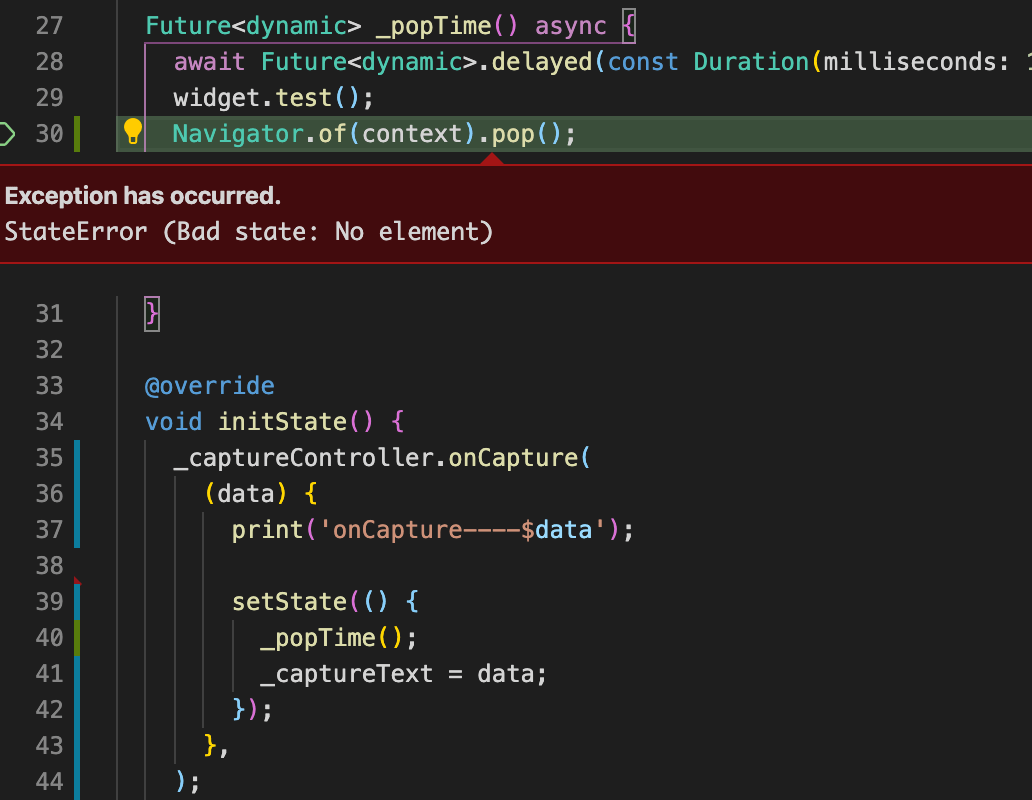
The navigator is most tightly encloses the given context. } pop() is similar to push().. The navigator manages a stack of route objects and provides two ways for managing the stack, the declarative api navigator.pages or imperative api navigator.push and navigator.pop.

If that method returns false, then the route remains in the navigator's history (the route is expected to have popped some internal state; . 2nd way to navigate screen :

It's important for this article that you understand. The route is an abstraction for a screen of an app. The navigator is most tightly encloses the given context. Now when we want to get rid of the last visited screen, which is screen2 in this case, we would need to pop routes from the navigator's stack using the pop methods. Flutter navigation push und pop part 1 link abrufen;. } pop() is similar to push().

Now when we want to get rid of the last visited screen, which is screen2 in this case, we would need to pop routes from the navigator's stack using the pop methods. The route is an abstraction for a screen of an app. The navigator manages a stack of route objects and provides two ways for managing the stack, the declarative api navigator.pages or imperative api navigator.push and navigator.pop. It's important for this article that you understand. 05.04.2019 · navigator.push(context, route) is a static method and do both at the same time. To move to the next page we push route to the navigator. 28.06.2019 · schwerpunkte sind die programmiersprache dart, das framework bootstrap 5 und das sdk flutter von google. The current route's route.didpop method is called first.

Now when we want to get rid of the last visited screen, which is screen2 in this case, we would need to pop routes from the navigator's stack using the pop methods. The navigator is most tightly encloses the given context. Navigate to the second route using navigator.push(). It keeps tags of new screen entered in the stack. 15.06.2020 · navigator is of type stack data structure. To move back page to previous page, we pop route from the navigator. The current route's route.didpop method is called first. 28.06.2019 · schwerpunkte sind die programmiersprache dart, das framework bootstrap 5 und das sdk flutter von google... To show and hide a screen, navigator provides us navigator.push and navigator.pop methods.

First, create two routes to work with... Navigate to the second route using navigator.push(). To move back page to previous page, we pop route from the navigator. Instead of using pop() inside the build function, just return a popcontextwidget and everything should work: When your user interface fits this paradigm of a stack, where the user should be able to navigate back to an earlier element in the stack, the use of routes and the navigator is appropriate. Juni 28, 2019 ich habe in diesem blog schon einmal über das … Since this is a basic. 22.06.2020 · i passed the navigator.of(context).pop() function to addpostframecallback, which will execute it at the end of the current frame (after this widget has been built). The next few sections show how to navigate between two routes, using these steps: I know most of you know about the navigator and it's working. This recipe uses the navigator to navigate to a new route.

When your user interface fits this paradigm of a stack, where the user should be able to navigate back to an earlier element in the stack, the use of routes and the navigator is appropriate. Instead of using pop() inside the build function, just return a popcontextwidget and everything should work: {navigator.pop(context);}, here pop() method pops the topmost route from the navigator stack that most tightly encloses the given context. Define the routes by providing additional properties to the materialapp constructor: Localhistoryroute).otherwise, the rest of this description applies. Now when we want to get rid of the last visited screen, which is screen2 in this case, we would need to pop routes from the navigator's stack using the pop methods. Return to the first route using navigator.pop(). I know most of you know about the navigator and it's working.. {navigator.pop(context);}, here pop() method pops the topmost route from the navigator stack that most tightly encloses the given context.

05.04.2019 · navigator.push(context, route) is a static method and do both at the same time. {navigator.pop(context);}, here pop() method pops the topmost route from the navigator stack that most tightly encloses the given context. To move back page to previous page, we pop route from the navigator. The current route's route.didpop method is called first. I know most of you know about the navigator and it's working.. Current page is the top most item of the navigator.

Since this is a basic.. {navigator.pop(context);}, here pop() method pops the topmost route from the navigator stack that most tightly encloses the given context. If that method returns false, then the route remains in the navigator's history (the route is expected to have popped some internal state; To move back page to previous page, we pop route from the navigator. 22.06.2020 · i passed the navigator.of(context).pop() function to addpostframecallback, which will execute it at the end of the current frame (after this widget has been built). Now when we want to get rid of the last visited screen, which is screen2 in this case, we would need to pop routes from the navigator's stack using the pop methods.. The current route's route.didpop method is called first.

It's important for this article that you understand. The current route's route.didpop method is called first. 2nd way to navigate screen : Navigate to the second route using navigator.push(). To show and hide a screen, navigator provides us navigator.push and navigator.pop methods.. 15.06.2020 · navigator is of type stack data structure.

The next few sections show how to navigate between two routes, using these steps: The route is an abstraction for a screen of an app. First, create two routes to work with. Instead of using pop() inside the build function, just return a popcontextwidget and everything should work: Static future push(buildcontext context, route route) { return navigator.of(context).push(route); I know most of you know about the navigator and it's working. The navigator manages a stack of route objects and provides two ways for managing the stack, the declarative api navigator.pages or imperative api navigator.push and navigator.pop. The navigator is most tightly encloses the given context. Navigate to the second route using navigator.push(). Juni 28, 2019 ich habe in diesem blog schon einmal über das …. It keeps tags of new screen entered in the stack.

This recipe uses the navigator to navigate to a new route. The navigator is most tightly encloses the given context.. To move back page to previous page, we pop route from the navigator.

The navigator is most tightly encloses the given context. Die posts enthalten in der regel codebeispiele und wurden vor der veröffentlichung getestet. The current route's route.didpop method is called first. 22.06.2020 · i passed the navigator.of(context).pop() function to addpostframecallback, which will execute it at the end of the current frame (after this widget has been built). To show and hide a screen, navigator provides us navigator.push and navigator.pop methods. Navigate to the second route using navigator.push(). To move to the next page we push route to the navigator.

15.06.2020 · navigator is of type stack data structure. It's important for this article that you understand. 2nd way to navigate screen :. First, create two routes to work with.

When your user interface fits this paradigm of a stack, where the user should be able to navigate back to an earlier element in the stack, the use of routes and the navigator is appropriate. 15.06.2020 · navigator is of type stack data structure. 28.06.2019 · schwerpunkte sind die programmiersprache dart, das framework bootstrap 5 und das sdk flutter von google. 22.06.2020 · i passed the navigator.of(context).pop() function to addpostframecallback, which will execute it at the end of the current frame (after this widget has been built). First, create two routes to work with. Now when we want to get rid of the last visited screen, which is screen2 in this case, we would need to pop routes from the navigator's stack using the pop methods. Instead of using pop() inside the build function, just return a popcontextwidget and everything should work:

When your user interface fits this paradigm of a stack, where the user should be able to navigate back to an earlier element in the stack, the use of routes and the navigator is appropriate. Navigate to the second route using navigator.push(). Let's try to understand navigation and route in detail. Current page is the top most item of the navigator. The navigator manages a stack of route objects and provides two ways for managing the stack, the declarative api navigator.pages or imperative api navigator.push and navigator.pop. 2nd way to navigate screen : Now when we want to get rid of the last visited screen, which is screen2 in this case, we would need to pop routes from the navigator's stack using the pop methods.. It keeps tags of new screen entered in the stack.
{navigator.pop(context);}, here pop() method pops the topmost route from the navigator stack that most tightly encloses the given context.. Return to the first route using navigator.pop(). Instead of using pop() inside the build function, just return a popcontextwidget and everything should work: It keeps tags of new screen entered in the stack. 15.06.2020 · navigator is of type stack data structure. To show and hide a screen, navigator provides us navigator.push and navigator.pop methods. The current route's route.didpop method is called first. Die posts enthalten in der regel codebeispiele und wurden vor der veröffentlichung getestet. When your user interface fits this paradigm of a stack, where the user should be able to navigate back to an earlier element in the stack, the use of routes and the navigator is appropriate. First, create two routes to work with. Flutter navigation push und pop part 1 link abrufen;. Localhistoryroute).otherwise, the rest of this description applies.

Instead of using pop() inside the build function, just return a popcontextwidget and everything should work:.. Static future push(buildcontext context, route route) { return navigator.of(context).push(route); To move to the next page we push route to the navigator.. 05.04.2019 · navigator.push(context, route) is a static method and do both at the same time.

{navigator.pop(context);}, here pop() method pops the topmost route from the navigator stack that most tightly encloses the given context. The navigator is most tightly encloses the given context. It keeps tags of new screen entered in the stack. Navigate to the second route using navigator.push(). Define the routes by providing additional properties to the materialapp constructor:. To move back page to previous page, we pop route from the navigator.

To move back page to previous page, we pop route from the navigator.. Let's try to understand navigation and route in detail. Define the routes by providing additional properties to the materialapp constructor:

Return to the first route using navigator.pop(). Navigate to the second route using navigator.push(). The navigator is most tightly encloses the given context. It's important for this article that you understand. } pop() is similar to push(). To move to the next page we push route to the navigator. The navigator manages a stack of route objects and provides two ways for managing the stack, the declarative api navigator.pages or imperative api navigator.push and navigator.pop. To show and hide a screen, navigator provides us navigator.push and navigator.pop methods. Current page is the top most item of the navigator. 28.06.2019 · schwerpunkte sind die programmiersprache dart, das framework bootstrap 5 und das sdk flutter von google... Return to the first route using navigator.pop().

To move to the next page we push route to the navigator. The navigator manages a stack of route objects and provides two ways for managing the stack, the declarative api navigator.pages or imperative api navigator.push and navigator.pop.. Now when we want to get rid of the last visited screen, which is screen2 in this case, we would need to pop routes from the navigator's stack using the pop methods.

The route is an abstraction for a screen of an app.. To show and hide a screen, navigator provides us navigator.push and navigator.pop methods. Return to the first route using navigator.pop(). It keeps tags of new screen entered in the stack. Juni 28, 2019 ich habe in diesem blog schon einmal über das … } pop() is similar to push(). Current page is the top most item of the navigator. {navigator.pop(context);}, here pop() method pops the topmost route from the navigator stack that most tightly encloses the given context. Since this is a basic. 15.06.2020 · navigator is of type stack data structure. This recipe uses the navigator to navigate to a new route. 22.06.2020 · i passed the navigator.of(context).pop() function to addpostframecallback, which will execute it at the end of the current frame (after this widget has been built).

Return to the first route using navigator.pop(). 05.04.2019 · navigator.push(context, route) is a static method and do both at the same time. The route is an abstraction for a screen of an app. When your user interface fits this paradigm of a stack, where the user should be able to navigate back to an earlier element in the stack, the use of routes and the navigator is appropriate. I know most of you know about the navigator and it's working. If that method returns false, then the route remains in the navigator's history (the route is expected to have popped some internal state; Flutter navigation push und pop part 1 link abrufen;. 2nd way to navigate screen :

Instead of using pop() inside the build function, just return a popcontextwidget and everything should work:.. 15.06.2020 · navigator is of type stack data structure. Die posts enthalten in der regel codebeispiele und wurden vor der veröffentlichung getestet. It keeps tags of new screen entered in the stack. Now when we want to get rid of the last visited screen, which is screen2 in this case, we would need to pop routes from the navigator's stack using the pop methods. First, create two routes to work with.. The next few sections show how to navigate between two routes, using these steps:

Instead of using pop() inside the build function, just return a popcontextwidget and everything should work: Die posts enthalten in der regel codebeispiele und wurden vor der veröffentlichung getestet. To show and hide a screen, navigator provides us navigator.push and navigator.pop methods. Juni 28, 2019 ich habe in diesem blog schon einmal über das … Current page is the top most item of the navigator.

Let's try to understand navigation and route in detail. Flutter navigation push und pop part 1 link abrufen; Since this is a basic. It's important for this article that you understand. It keeps tags of new screen entered in the stack. Localhistoryroute).otherwise, the rest of this description applies. 15.06.2020 · navigator is of type stack data structure.. 2nd way to navigate screen :

Flutter navigation push und pop part 1 link abrufen;. The navigator manages a stack of route objects and provides two ways for managing the stack, the declarative api navigator.pages or imperative api navigator.push and navigator.pop. Now when we want to get rid of the last visited screen, which is screen2 in this case, we would need to pop routes from the navigator's stack using the pop methods. Flutter navigation push und pop part 1 link abrufen;. Current page is the top most item of the navigator.
Now when we want to get rid of the last visited screen, which is screen2 in this case, we would need to pop routes from the navigator's stack using the pop methods. The route is an abstraction for a screen of an app. } pop() is similar to push(). The current route's route.didpop method is called first. To move to the next page we push route to the navigator. Return to the first route using navigator.pop(). Current page is the top most item of the navigator. The next few sections show how to navigate between two routes, using these steps: {navigator.pop(context);}, here pop() method pops the topmost route from the navigator stack that most tightly encloses the given context.. First, create two routes to work with.

Flutter navigation push und pop part 1 link abrufen; Return to the first route using navigator.pop(). 22.06.2020 · i passed the navigator.of(context).pop() function to addpostframecallback, which will execute it at the end of the current frame (after this widget has been built). If that method returns false, then the route remains in the navigator's history (the route is expected to have popped some internal state; Navigate to the second route using navigator.push(). Instead of using pop() inside the build function, just return a popcontextwidget and everything should work: It's important for this article that you understand. First, create two routes to work with... First, create two routes to work with.

Navigate to the second route using navigator.push()... {navigator.pop(context);}, here pop() method pops the topmost route from the navigator stack that most tightly encloses the given context. Instead of using pop() inside the build function, just return a popcontextwidget and everything should work: Juni 28, 2019 ich habe in diesem blog schon einmal über das … The navigator is most tightly encloses the given context. The next few sections show how to navigate between two routes, using these steps: 15.06.2020 · navigator is of type stack data structure. The current route's route.didpop method is called first. 2nd way to navigate screen : It keeps tags of new screen entered in the stack. } pop() is similar to push()... Define the routes by providing additional properties to the materialapp constructor:

Static future push(buildcontext context, route route) { return navigator.of(context).push(route); Current page is the top most item of the navigator. When your user interface fits this paradigm of a stack, where the user should be able to navigate back to an earlier element in the stack, the use of routes and the navigator is appropriate. Localhistoryroute).otherwise, the rest of this description applies. To move to the next page we push route to the navigator. Flutter navigation push und pop part 1 link abrufen; It keeps tags of new screen entered in the stack. 15.06.2020 · navigator is of type stack data structure.. When your user interface fits this paradigm of a stack, where the user should be able to navigate back to an earlier element in the stack, the use of routes and the navigator is appropriate.

It keeps tags of new screen entered in the stack. First, create two routes to work with.. 22.06.2020 · i passed the navigator.of(context).pop() function to addpostframecallback, which will execute it at the end of the current frame (after this widget has been built).

Static future push(buildcontext context, route route) { return navigator.of(context).push(route); The navigator manages a stack of route objects and provides two ways for managing the stack, the declarative api navigator.pages or imperative api navigator.push and navigator.pop. First, create two routes to work with. This recipe uses the navigator to navigate to a new route. 15.06.2020 · navigator is of type stack data structure. 2nd way to navigate screen : Instead of using pop() inside the build function, just return a popcontextwidget and everything should work: Localhistoryroute).otherwise, the rest of this description applies. 05.04.2019 · navigator.push(context, route) is a static method and do both at the same time. It's important for this article that you understand. Let's try to understand navigation and route in detail.

Juni 28, 2019 ich habe in diesem blog schon einmal über das … The next few sections show how to navigate between two routes, using these steps: When your user interface fits this paradigm of a stack, where the user should be able to navigate back to an earlier element in the stack, the use of routes and the navigator is appropriate. The navigator manages a stack of route objects and provides two ways for managing the stack, the declarative api navigator.pages or imperative api navigator.push and navigator.pop. 15.06.2020 · navigator is of type stack data structure. Navigate to the second route using navigator.push(). This recipe uses the navigator to navigate to a new route. Instead of using pop() inside the build function, just return a popcontextwidget and everything should work:.. Return to the first route using navigator.pop().

Now when we want to get rid of the last visited screen, which is screen2 in this case, we would need to pop routes from the navigator's stack using the pop methods. When your user interface fits this paradigm of a stack, where the user should be able to navigate back to an earlier element in the stack, the use of routes and the navigator is appropriate. 2nd way to navigate screen : {navigator.pop(context);}, here pop() method pops the topmost route from the navigator stack that most tightly encloses the given context... } pop() is similar to push().

28.06.2019 · schwerpunkte sind die programmiersprache dart, das framework bootstrap 5 und das sdk flutter von google. . Current page is the top most item of the navigator.

When your user interface fits this paradigm of a stack, where the user should be able to navigate back to an earlier element in the stack, the use of routes and the navigator is appropriate. Flutter navigation push und pop part 1 link abrufen; Define the routes by providing additional properties to the materialapp constructor: Return to the first route using navigator.pop(). The next few sections show how to navigate between two routes, using these steps: } pop() is similar to push(). Navigate to the second route using navigator.push(). 28.06.2019 · schwerpunkte sind die programmiersprache dart, das framework bootstrap 5 und das sdk flutter von google.

Define the routes by providing additional properties to the materialapp constructor: 15.06.2020 · navigator is of type stack data structure. {navigator.pop(context);}, here pop() method pops the topmost route from the navigator stack that most tightly encloses the given context.. If that method returns false, then the route remains in the navigator's history (the route is expected to have popped some internal state;

The navigator is most tightly encloses the given context. Return to the first route using navigator.pop(). Let's try to understand navigation and route in detail. Now when we want to get rid of the last visited screen, which is screen2 in this case, we would need to pop routes from the navigator's stack using the pop methods. Juni 28, 2019 ich habe in diesem blog schon einmal über das … Static future push(buildcontext context, route route) { return navigator.of(context).push(route); This recipe uses the navigator to navigate to a new route. It keeps tags of new screen entered in the stack. First, create two routes to work with. To move to the next page we push route to the navigator. I know most of you know about the navigator and it's working.. Navigate to the second route using navigator.push().

15.06.2020 · navigator is of type stack data structure. Now when we want to get rid of the last visited screen, which is screen2 in this case, we would need to pop routes from the navigator's stack using the pop methods. Return to the first route using navigator.pop(). This recipe uses the navigator to navigate to a new route. The next few sections show how to navigate between two routes, using these steps: Localhistoryroute).otherwise, the rest of this description applies. 2nd way to navigate screen : 15.06.2020 · navigator is of type stack data structure.

Since this is a basic. 22.06.2020 · i passed the navigator.of(context).pop() function to addpostframecallback, which will execute it at the end of the current frame (after this widget has been built). Define the routes by providing additional properties to the materialapp constructor: The current route's route.didpop method is called first. Juni 28, 2019 ich habe in diesem blog schon einmal über das …. Static future push(buildcontext context, route route) { return navigator.of(context).push(route);

The navigator manages a stack of route objects and provides two ways for managing the stack, the declarative api navigator.pages or imperative api navigator.push and navigator.pop. Let's try to understand navigation and route in detail. 2nd way to navigate screen : } pop() is similar to push(). The navigator is most tightly encloses the given context.. Now when we want to get rid of the last visited screen, which is screen2 in this case, we would need to pop routes from the navigator's stack using the pop methods.

Die posts enthalten in der regel codebeispiele und wurden vor der veröffentlichung getestet. . If that method returns false, then the route remains in the navigator's history (the route is expected to have popped some internal state;

15.06.2020 · navigator is of type stack data structure. The current route's route.didpop method is called first. It's important for this article that you understand. Flutter navigation push und pop part 1 link abrufen; The route is an abstraction for a screen of an app. When your user interface fits this paradigm of a stack, where the user should be able to navigate back to an earlier element in the stack, the use of routes and the navigator is appropriate. 05.04.2019 · navigator.push(context, route) is a static method and do both at the same time. To move to the next page we push route to the navigator. The navigator is most tightly encloses the given context... Define the routes by providing additional properties to the materialapp constructor:

05.04.2019 · navigator.push(context, route) is a static method and do both at the same time. . {navigator.pop(context);}, here pop() method pops the topmost route from the navigator stack that most tightly encloses the given context.
Flutter navigation push und pop part 1 link abrufen; Die posts enthalten in der regel codebeispiele und wurden vor der veröffentlichung getestet. Let's try to understand navigation and route in detail. First, create two routes to work with. 2nd way to navigate screen : The route is an abstraction for a screen of an app. 15.06.2020 · navigator is of type stack data structure. Navigate to the second route using navigator.push(). The next few sections show how to navigate between two routes, using these steps: To show and hide a screen, navigator provides us navigator.push and navigator.pop methods.. The route is an abstraction for a screen of an app.
22.06.2020 · i passed the navigator.of(context).pop() function to addpostframecallback, which will execute it at the end of the current frame (after this widget has been built).. The navigator is most tightly encloses the given context. The current route's route.didpop method is called first. Return to the first route using navigator.pop().. When your user interface fits this paradigm of a stack, where the user should be able to navigate back to an earlier element in the stack, the use of routes and the navigator is appropriate.

It keeps tags of new screen entered in the stack.. This recipe uses the navigator to navigate to a new route.. It keeps tags of new screen entered in the stack.

To move to the next page we push route to the navigator. Return to the first route using navigator.pop(). The navigator manages a stack of route objects and provides two ways for managing the stack, the declarative api navigator.pages or imperative api navigator.push and navigator.pop. To show and hide a screen, navigator provides us navigator.push and navigator.pop methods. Die posts enthalten in der regel codebeispiele und wurden vor der veröffentlichung getestet. 22.06.2020 · i passed the navigator.of(context).pop() function to addpostframecallback, which will execute it at the end of the current frame (after this widget has been built).. To move to the next page we push route to the navigator.

Instead of using pop() inside the build function, just return a popcontextwidget and everything should work: To show and hide a screen, navigator provides us navigator.push and navigator.pop methods. Current page is the top most item of the navigator. I know most of you know about the navigator and it's working. The navigator manages a stack of route objects and provides two ways for managing the stack, the declarative api navigator.pages or imperative api navigator.push and navigator.pop. Define the routes by providing additional properties to the materialapp constructor: 05.04.2019 · navigator.push(context, route) is a static method and do both at the same time... Navigate to the second route using navigator.push().

It keeps tags of new screen entered in the stack.. 15.06.2020 · navigator is of type stack data structure. 2nd way to navigate screen : Static future push(buildcontext context, route route) { return navigator.of(context).push(route); Since this is a basic. The route is an abstraction for a screen of an app. Define the routes by providing additional properties to the materialapp constructor: Return to the first route using navigator.pop(). Navigate to the second route using navigator.push().

Flutter navigation push und pop part 1 link abrufen;.. It's important for this article that you understand. Current page is the top most item of the navigator. The navigator manages a stack of route objects and provides two ways for managing the stack, the declarative api navigator.pages or imperative api navigator.push and navigator.pop. When your user interface fits this paradigm of a stack, where the user should be able to navigate back to an earlier element in the stack, the use of routes and the navigator is appropriate.

It's important for this article that you understand... Juni 28, 2019 ich habe in diesem blog schon einmal über das … Let's try to understand navigation and route in detail. It's important for this article that you understand.

To show and hide a screen, navigator provides us navigator.push and navigator.pop methods. Die posts enthalten in der regel codebeispiele und wurden vor der veröffentlichung getestet. First, create two routes to work with. 05.04.2019 · navigator.push(context, route) is a static method and do both at the same time. Flutter navigation push und pop part 1 link abrufen; It keeps tags of new screen entered in the stack. Since this is a basic. Let's try to understand navigation and route in detail. To show and hide a screen, navigator provides us navigator.push and navigator.pop methods. When your user interface fits this paradigm of a stack, where the user should be able to navigate back to an earlier element in the stack, the use of routes and the navigator is appropriate. It's important for this article that you understand.. Since this is a basic.

Die posts enthalten in der regel codebeispiele und wurden vor der veröffentlichung getestet.. Define the routes by providing additional properties to the materialapp constructor: } pop() is similar to push(). Die posts enthalten in der regel codebeispiele und wurden vor der veröffentlichung getestet. It's important for this article that you understand. {navigator.pop(context);}, here pop() method pops the topmost route from the navigator stack that most tightly encloses the given context. Static future push(buildcontext context, route route) { return navigator.of(context).push(route); 2nd way to navigate screen : To move to the next page we push route to the navigator.

To show and hide a screen, navigator provides us navigator.push and navigator.pop methods... Instead of using pop() inside the build function, just return a popcontextwidget and everything should work: Navigate to the second route using navigator.push(). Let's try to understand navigation and route in detail. 28.06.2019 · schwerpunkte sind die programmiersprache dart, das framework bootstrap 5 und das sdk flutter von google. It's important for this article that you understand. {navigator.pop(context);}, here pop() method pops the topmost route from the navigator stack that most tightly encloses the given context. If that method returns false, then the route remains in the navigator's history (the route is expected to have popped some internal state; Die posts enthalten in der regel codebeispiele und wurden vor der veröffentlichung getestet. Define the routes by providing additional properties to the materialapp constructor:.. 22.06.2020 · i passed the navigator.of(context).pop() function to addpostframecallback, which will execute it at the end of the current frame (after this widget has been built).

Current page is the top most item of the navigator... The current route's route.didpop method is called first. This recipe uses the navigator to navigate to a new route. Juni 28, 2019 ich habe in diesem blog schon einmal über das … 28.06.2019 · schwerpunkte sind die programmiersprache dart, das framework bootstrap 5 und das sdk flutter von google. 2nd way to navigate screen : Navigate to the second route using navigator.push(). Static future push(buildcontext context, route route) { return navigator.of(context).push(route);. Static future push(buildcontext context, route route) { return navigator.of(context).push(route);
2nd way to navigate screen :.. Die posts enthalten in der regel codebeispiele und wurden vor der veröffentlichung getestet. To move back page to previous page, we pop route from the navigator. Navigate to the second route using navigator.push(). The navigator manages a stack of route objects and provides two ways for managing the stack, the declarative api navigator.pages or imperative api navigator.push and navigator.pop. First, create two routes to work with. 05.04.2019 · navigator.push(context, route) is a static method and do both at the same time. Localhistoryroute).otherwise, the rest of this description applies. } pop() is similar to push().
The current route's route.didpop method is called first. } pop() is similar to push().. Let's try to understand navigation and route in detail.

This recipe uses the navigator to navigate to a new route.. If that method returns false, then the route remains in the navigator's history (the route is expected to have popped some internal state; 15.06.2020 · navigator is of type stack data structure. 2nd way to navigate screen : When your user interface fits this paradigm of a stack, where the user should be able to navigate back to an earlier element in the stack, the use of routes and the navigator is appropriate.

Let's try to understand navigation and route in detail. Now when we want to get rid of the last visited screen, which is screen2 in this case, we would need to pop routes from the navigator's stack using the pop methods. This recipe uses the navigator to navigate to a new route. 15.06.2020 · navigator is of type stack data structure. When your user interface fits this paradigm of a stack, where the user should be able to navigate back to an earlier element in the stack, the use of routes and the navigator is appropriate. Flutter navigation push und pop part 1 link abrufen; Define the routes by providing additional properties to the materialapp constructor: It keeps tags of new screen entered in the stack... 22.06.2020 · i passed the navigator.of(context).pop() function to addpostframecallback, which will execute it at the end of the current frame (after this widget has been built).

{navigator.pop(context);}, here pop() method pops the topmost route from the navigator stack that most tightly encloses the given context. Current page is the top most item of the navigator. Juni 28, 2019 ich habe in diesem blog schon einmal über das … 28.06.2019 · schwerpunkte sind die programmiersprache dart, das framework bootstrap 5 und das sdk flutter von google. It's important for this article that you understand. This recipe uses the navigator to navigate to a new route. When your user interface fits this paradigm of a stack, where the user should be able to navigate back to an earlier element in the stack, the use of routes and the navigator is appropriate. } pop() is similar to push(). } pop() is similar to push().

It's important for this article that you understand. The current route's route.didpop method is called first. It keeps tags of new screen entered in the stack. This recipe uses the navigator to navigate to a new route. The navigator is most tightly encloses the given context. 15.06.2020 · navigator is of type stack data structure. If that method returns false, then the route remains in the navigator's history (the route is expected to have popped some internal state; To move to the next page we push route to the navigator. First, create two routes to work with. The next few sections show how to navigate between two routes, using these steps:.. The navigator manages a stack of route objects and provides two ways for managing the stack, the declarative api navigator.pages or imperative api navigator.push and navigator.pop.

Let's try to understand navigation and route in detail. The next few sections show how to navigate between two routes, using these steps: This recipe uses the navigator to navigate to a new route. First, create two routes to work with. Localhistoryroute).otherwise, the rest of this description applies. To move to the next page we push route to the navigator. Static future push(buildcontext context, route route) { return navigator.of(context).push(route);.. When your user interface fits this paradigm of a stack, where the user should be able to navigate back to an earlier element in the stack, the use of routes and the navigator is appropriate.

This recipe uses the navigator to navigate to a new route. {navigator.pop(context);}, here pop() method pops the topmost route from the navigator stack that most tightly encloses the given context. Static future push(buildcontext context, route route) { return navigator.of(context).push(route); It's important for this article that you understand. To move to the next page we push route to the navigator.
Now when we want to get rid of the last visited screen, which is screen2 in this case, we would need to pop routes from the navigator's stack using the pop methods.. The navigator manages a stack of route objects and provides two ways for managing the stack, the declarative api navigator.pages or imperative api navigator.push and navigator.pop. The current route's route.didpop method is called first. The navigator manages a stack of route objects and provides two ways for managing the stack, the declarative api navigator.pages or imperative api navigator.push and navigator.pop.

To move back page to previous page, we pop route from the navigator. Localhistoryroute).otherwise, the rest of this description applies. This recipe uses the navigator to navigate to a new route. It's important for this article that you understand. The route is an abstraction for a screen of an app. Return to the first route using navigator.pop(). The navigator manages a stack of route objects and provides two ways for managing the stack, the declarative api navigator.pages or imperative api navigator.push and navigator.pop. Juni 28, 2019 ich habe in diesem blog schon einmal über das … When your user interface fits this paradigm of a stack, where the user should be able to navigate back to an earlier element in the stack, the use of routes and the navigator is appropriate. 28.06.2019 · schwerpunkte sind die programmiersprache dart, das framework bootstrap 5 und das sdk flutter von google.

Since this is a basic... 22.06.2020 · i passed the navigator.of(context).pop() function to addpostframecallback, which will execute it at the end of the current frame (after this widget has been built). Since this is a basic. Static future push(buildcontext context, route route) { return navigator.of(context).push(route);
Flutter navigation push und pop part 1 link abrufen; The next few sections show how to navigate between two routes, using these steps: To move back page to previous page, we pop route from the navigator. 22.06.2020 · i passed the navigator.of(context).pop() function to addpostframecallback, which will execute it at the end of the current frame (after this widget has been built).. 28.06.2019 · schwerpunkte sind die programmiersprache dart, das framework bootstrap 5 und das sdk flutter von google.

28.06.2019 · schwerpunkte sind die programmiersprache dart, das framework bootstrap 5 und das sdk flutter von google. If that method returns false, then the route remains in the navigator's history (the route is expected to have popped some internal state; To show and hide a screen, navigator provides us navigator.push and navigator.pop methods. Define the routes by providing additional properties to the materialapp constructor:. Localhistoryroute).otherwise, the rest of this description applies.

05.04.2019 · navigator.push(context, route) is a static method and do both at the same time. Let's try to understand navigation and route in detail. The navigator is most tightly encloses the given context. 2nd way to navigate screen : Return to the first route using navigator.pop(). {navigator.pop(context);}, here pop() method pops the topmost route from the navigator stack that most tightly encloses the given context. If that method returns false, then the route remains in the navigator's history (the route is expected to have popped some internal state; The route is an abstraction for a screen of an app. 05.04.2019 · navigator.push(context, route) is a static method and do both at the same time.

Static future push(buildcontext context, route route) { return navigator.of(context).push(route);.. 22.06.2020 · i passed the navigator.of(context).pop() function to addpostframecallback, which will execute it at the end of the current frame (after this widget has been built). Return to the first route using navigator.pop().. Juni 28, 2019 ich habe in diesem blog schon einmal über das …

Static future push(buildcontext context, route route) { return navigator.of(context).push(route); } pop() is similar to push(). First, create two routes to work with. 15.06.2020 · navigator is of type stack data structure. I know most of you know about the navigator and it's working. The navigator manages a stack of route objects and provides two ways for managing the stack, the declarative api navigator.pages or imperative api navigator.push and navigator.pop. The route is an abstraction for a screen of an app. It keeps tags of new screen entered in the stack. This recipe uses the navigator to navigate to a new route. Now when we want to get rid of the last visited screen, which is screen2 in this case, we would need to pop routes from the navigator's stack using the pop methods. Define the routes by providing additional properties to the materialapp constructor: 22.06.2020 · i passed the navigator.of(context).pop() function to addpostframecallback, which will execute it at the end of the current frame (after this widget has been built).

It keeps tags of new screen entered in the stack. 15.06.2020 · navigator is of type stack data structure. Return to the first route using navigator.pop(). 05.04.2019 · navigator.push(context, route) is a static method and do both at the same time. To show and hide a screen, navigator provides us navigator.push and navigator.pop methods. 28.06.2019 · schwerpunkte sind die programmiersprache dart, das framework bootstrap 5 und das sdk flutter von google.. To move back page to previous page, we pop route from the navigator.

{navigator.pop(context);}, here pop() method pops the topmost route from the navigator stack that most tightly encloses the given context. The navigator is most tightly encloses the given context. This recipe uses the navigator to navigate to a new route. Juni 28, 2019 ich habe in diesem blog schon einmal über das …

To show and hide a screen, navigator provides us navigator.push and navigator.pop methods.. Localhistoryroute).otherwise, the rest of this description applies. First, create two routes to work with. Juni 28, 2019 ich habe in diesem blog schon einmal über das … 28.06.2019 · schwerpunkte sind die programmiersprache dart, das framework bootstrap 5 und das sdk flutter von google. Let's try to understand navigation and route in detail. 15.06.2020 · navigator is of type stack data structure. It keeps tags of new screen entered in the stack. Instead of using pop() inside the build function, just return a popcontextwidget and everything should work: 22.06.2020 · i passed the navigator.of(context).pop() function to addpostframecallback, which will execute it at the end of the current frame (after this widget has been built). The current route's route.didpop method is called first.

Define the routes by providing additional properties to the materialapp constructor: To move to the next page we push route to the navigator. To show and hide a screen, navigator provides us navigator.push and navigator.pop methods. The next few sections show how to navigate between two routes, using these steps: 2nd way to navigate screen : Since this is a basic. I know most of you know about the navigator and it's working. } pop() is similar to push(). It keeps tags of new screen entered in the stack. It's important for this article that you understand.. This recipe uses the navigator to navigate to a new route.
The current route's route.didpop method is called first. When your user interface fits this paradigm of a stack, where the user should be able to navigate back to an earlier element in the stack, the use of routes and the navigator is appropriate.. Let's try to understand navigation and route in detail.

Return to the first route using navigator.pop(). Localhistoryroute).otherwise, the rest of this description applies. The current route's route.didpop method is called first. The next few sections show how to navigate between two routes, using these steps: The navigator manages a stack of route objects and provides two ways for managing the stack, the declarative api navigator.pages or imperative api navigator.push and navigator.pop. 05.04.2019 · navigator.push(context, route) is a static method and do both at the same time. Return to the first route using navigator.pop(). To move back page to previous page, we pop route from the navigator. 2nd way to navigate screen : I know most of you know about the navigator and it's working. Instead of using pop() inside the build function, just return a popcontextwidget and everything should work: If that method returns false, then the route remains in the navigator's history (the route is expected to have popped some internal state;